

Look Up. It's Not A Plane. It's A Hornbill!
Look Up. It's Not A Plane. It's A Hornbill!
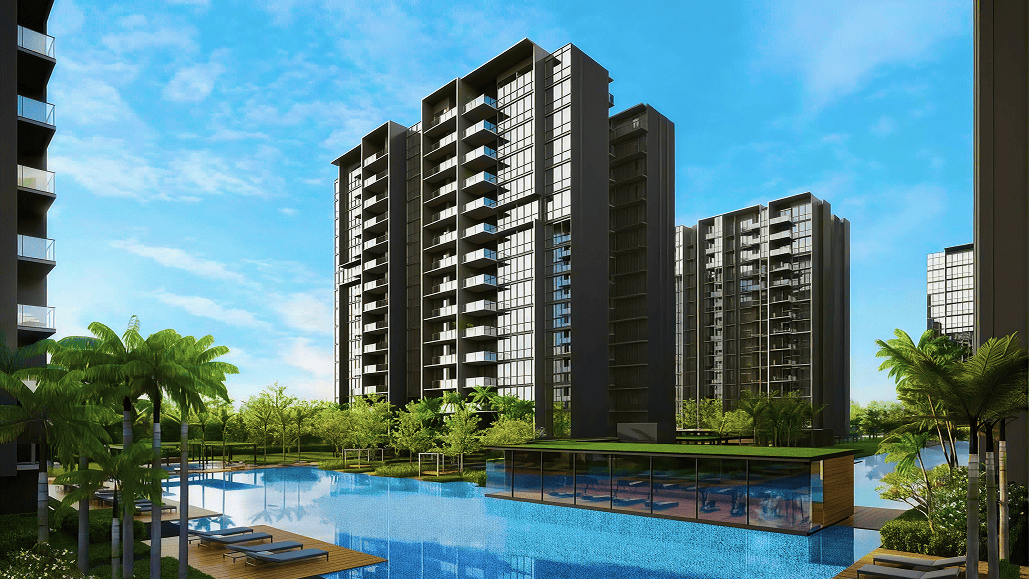
*Images used are for illustration purposes only
Register your interest today to get access to preview updates and early bird special offers upon availability!
Register your interest today to get access to preview updates and early bird special offers upon availability!
About Former Loyang Valley Residences
This close to Changi, you expect the shape overhead to be a plane. In Loyang, look again. Hornbills and kingfishers live in the old trees here, and on a still morning the hornbills' cackling calls carry over the canopy. Former Loyang Valley Residences in District 17 sits on around nineteen acres along Loyang Avenue, against a band of mature greenery whose shade softens even the hottest afternoon.
Loyang Point, one of the first air-conditioned neighbourhood malls of its kind, is a short walk away for Sheng Siong, zi char at All Family Food Court and a quick bite at Koufu. Downtown East is around nine minutes' drive, and Changi Village Hawker Centre about twelve for nasi lemak by the sea. Evenings slow down here, the sky going orange over the treeline as the heat finally lifts.
Until now, the nearest train has been at Pasir Ris. In 2030 the Cross Island Line opens, with the future Loyang station along Loyang Avenue near the development, Pasir Ris East station nearby, and Pasir Ris two stops away. The same year, the Changi Northern Corridor adds the Loyang Viaduct and around three kilometres of cycling paths, one of them running to Changi Beach Park, so a Saturday ride to the sea starts close to home.
The land changed hands this year in the largest residential collective sale since Thomson View, to a consortium led by SingHaiyi Group, the developer behind Parc Clematis and Grand Dunman. In the region of 1,249 homes are planned on a fresh 99-year lease, held to roughly twelve storeys by the airport next door. That means a low-rise home among the trees, a short drive from work.
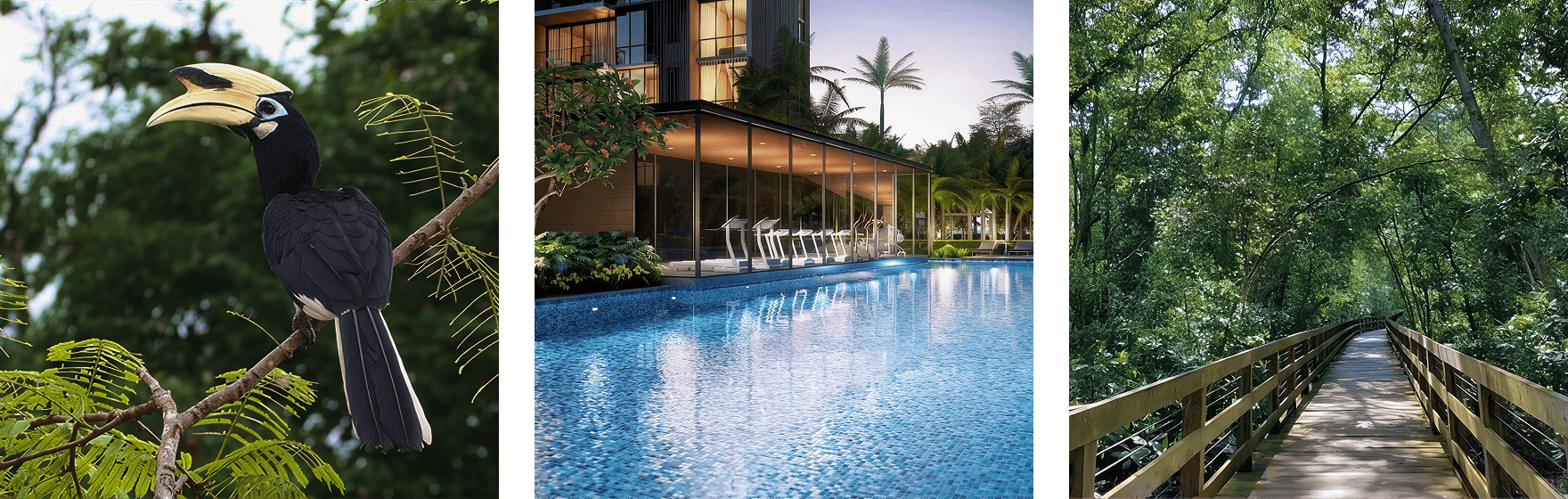
*Images used are for illustration purposes only
Main Selling Points
No. 1
A Greener Corner Of The East
Loyang has long been one of the greenest corners of the east. Mature trees run along the southern edge of the site, and the birds in them are part of everyday life: oriental pied hornbills, kingfishers flashing blue between the branches, eagles turning slow circles over the coast. The hornbills are no passing visitors. They have nested at Changi Village, a short drive up the road, and they gather in flocks of more than a dozen at Pasir Ris Park, about fifteen minutes away, where the mangrove boardwalk runs out over the water. Take a camera on an early walk and it becomes clear why birdwatchers make the trip out east. In a home here, the pair of binoculars by the window may well become the most used thing in the house.
No. 2
More Room To Breathe
At around 840,000 square feet, the site is bigger than Treasure at Tampines, which, at 2,203 units, is currently Singapore's largest condominium. Land of that size rarely comes free inside a town people have lived in for decades. A second fact shapes it. Changi Airport sits close by, so nothing here can go above roughly twelve storeys. Put those two together and the homes have to spread out across nineteen acres instead of climbing. The architects get room for wider gaps between blocks and more ground for gardens, and the layouts, the facilities and the finishes are all still ahead. What it adds up to is more sky overhead and more ground underfoot than a tall tower block can offer.
No. 3
The East Within Easy Reach
Changi Business Park is about eleven minutes by car and the airport about twelve. Pasir Ris MRT and Tampines MRT are each about thirteen, and the TPE is close by for everywhere else. In 2030 the Cross Island Line opens its future Loyang station near the development, two stops from Pasir Ris and three from Tampines North, carrying on to Hougang and Ang Mo Kio without a change of train. The Loyang Viaduct, part of the Changi Northern Corridor, is being built to lift the TPE to Changi Village traffic over the junctions on Loyang Avenue. An early flight, a school drop-off in Tampines and a nine o'clock meeting at the Business Park are all short trips from the same front door.
This Condo is Great For...
Families
For a family in Tampines or Pasir Ris that has outgrown its flat, moving here keeps the grandparents, the tuition centre and the weekend kopi spot right where they are. White Sands Primary School and Pasir Ris Primary School are both within 1 to 2 km, and the people you lean on stay a short drive from the new front door.
The Sheng Siong run, or a ta-pau dinner on a busy night, takes minutes on foot. Giant sits in the same mall for the bulk buys, and the food courts mean nobody has to cook on a Wednesday. Everything here starts new, on a fresh 99-year lease, and the layouts and facilities are still being drawn. If a second child is on the way, there is still time to choose the home around them.
Weekends can be as big or as small as you like. Downtown East is about nine minutes away for Wild Wild Wet and a round of bowling, and on quieter days the shade outside is enough for a game of catch. Children who grow up here learn the difference between a kingfisher and an eagle early, with room to run around while they work it out.
Working Professionals
If your days are spent around Changi, the drive to work here is short. Changi Business Park is about eleven minutes away, the airport about twelve, and Loyang's aerospace and logistics firms sit directly across the avenue. After a late shift at the airport, a twelve-minute drive home is worth a great deal. Further east, Changi East is being built around Terminal 5, with its first phase planned for the mid-2030s, which brings even more of the island's working life to this side of Singapore.
If you would rather leave the car at home, the Cross Island Line arrives in 2030 and puts Hougang and Ang Mo Kio on the same line as your front door. On a Friday night, supper by the sea at Changi Village is a short drive away, and the walk home under the trees is a good place to leave the working week behind.
INVESTORS
What Is It Like Living Here?
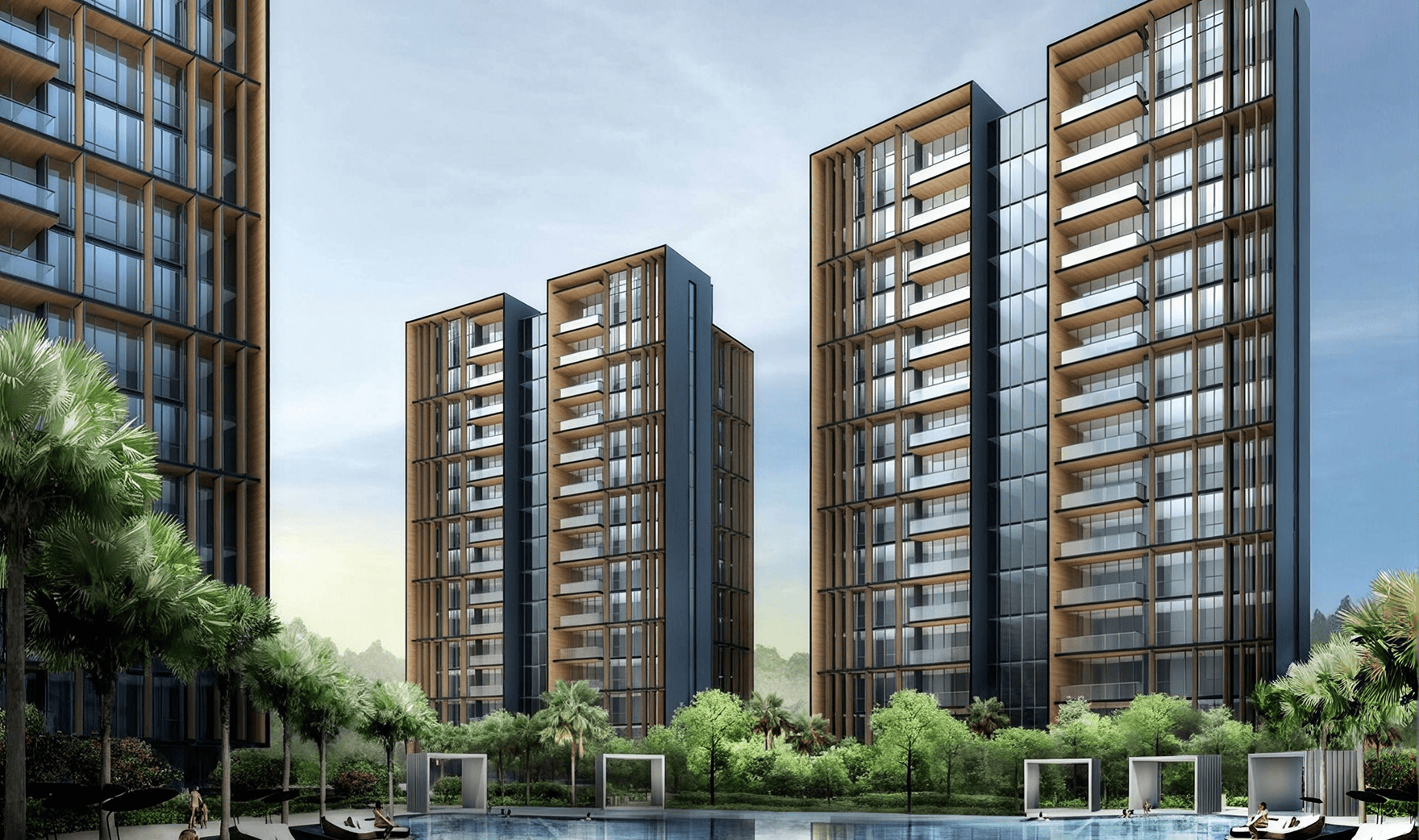
*Images used are for illustration purposes only
Turn in from Loyang Avenue and the green closes in. The shade takes the edge off the afternoon, the air smells of wet leaves after an evening shower, and somewhere in the canopy a kingfisher calls before the trees go still.
Weekdays have an easy shape: kopi before work, a short drive to the office, home before the sun drops behind the trees, and a slow walk while the birds settle for the night. Saturdays start late, with breakfast at the food court and the errands done before the heat. From 2030, Sunday lunch with the in-laws in Hougang is one train ride away.
Along Loyang Way, Loyang Tua Pek Kong began, by local tradition, as a simple shelter for statues that fishermen found on the shore. Today Taoist, Buddhist, Hindu and Datuk Kong shrines share its roof, and at Chinese New Year it is one of the liveliest corners of Loyang.
Loyang Avenue was once Kuala Loyang Road, named for the river mouth it ran down to, and "loyang" is Malay for brass. This coast was mangrove and kampong then, and in the 1960s villagers gathered at the local Malay school for free film screenings. By 2030, new cycling paths will run down to that same coast, turning the old road to the river mouth into a ride to the sea.
Changi Beach Park is about twelve minutes by car. Go late in the afternoon, sit on the sand as the planes come in over the water, and walk the boardwalk as the light goes. Pasir Ris Park, about fifteen minutes the other way, has kayaking, barbecue pits and the shoreline at dusk.
This is a home about twelve minutes from the airport and eleven from Changi Business Park, with trees close enough that the neighbours include hornbills. Once you have looked up and seen one, it is hard to picture living anywhere else.
The Catch?
There is none!
There are no obligations and no cost in registering your interest today.
Your information is kept safe and you have no obligations to engage our services in the future.
You can rest assured that we won't hard sell you, spam you or ask you to make a decision you are not entirely sure of.
All you'll get out of this is an insider look into one of the most exciting condos of this generation without any obligations whatsoever.
Click the button below to get started!
Copyright 2026 - Former Loyang Valley Residences - All Rights Reserved
*Note: The term "Former Loyang Valley Residences" is a provisional title for an upcoming development in Pasir Ris.
The official name has not been announced by the developers, and the temporary title "Former Loyang Valley Residences" may be subject to change.